


1. BV wire, also known as plastic copper wire in Chinese and PVC insulated cloth wire in full, represents cloth wire, while V represents PVC. This type of wire is generally suitable for voltages of 450 or 750 volts, and is also suitable for daily electricity use.
2. The BVR wire has an additional R than the BV wire, and it also uses PVC wire. However, if the materials are different, there are other classifications, such as having flame retardant properties, which are called flame retardant wires. There are also fire-resistant wires that can be flexibly used in different situations.
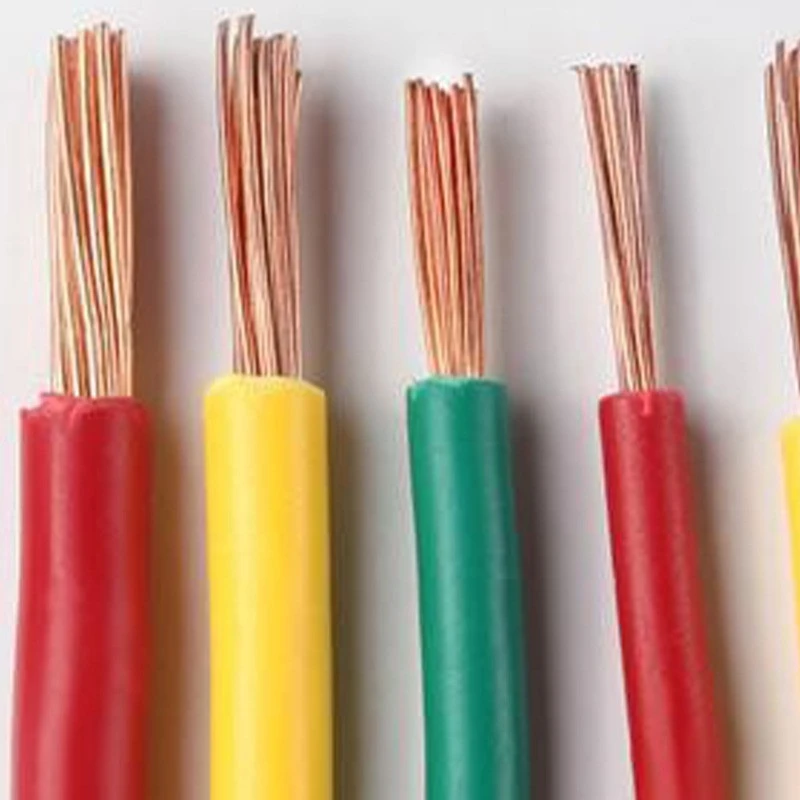
The difference between BV wires and BVR wires
1. BV wires are single core copper wires, while BVR wires are multi stranded wires and are generally flexible wires. BV wires are generally composed of a single wire, while BVR wires are composed of multiple conductors and an insulation layer, mainly suitable for flexible arrangements.
2. BV wires are relatively hard and generally suitable for relatively concealed places. They have a long service life and are not easily oxidized. However, they are difficult to bend and are easily damaged once bent. BVR wires are relatively soft and can be threaded through pipes, with a relatively short service life and easy oxidation.
3. The prices are different, and if you choose BVR wires, the cost is relatively higher.
4. Different electricity consumption
BV lines are suitable for use at voltages around 450-750 volts, while BVR lines can reach voltages of up to 500 volts.
5. Different load capacity
When the cross-sectional areas of the two lines are the same, the load capacity of the BVR line is higher than that of the BV line, and the power it can withstand is greater.
6. Different lifespans
BV wires have a longer lifespan than BVR wires.


