


Rubber Cable vs PVC Cable
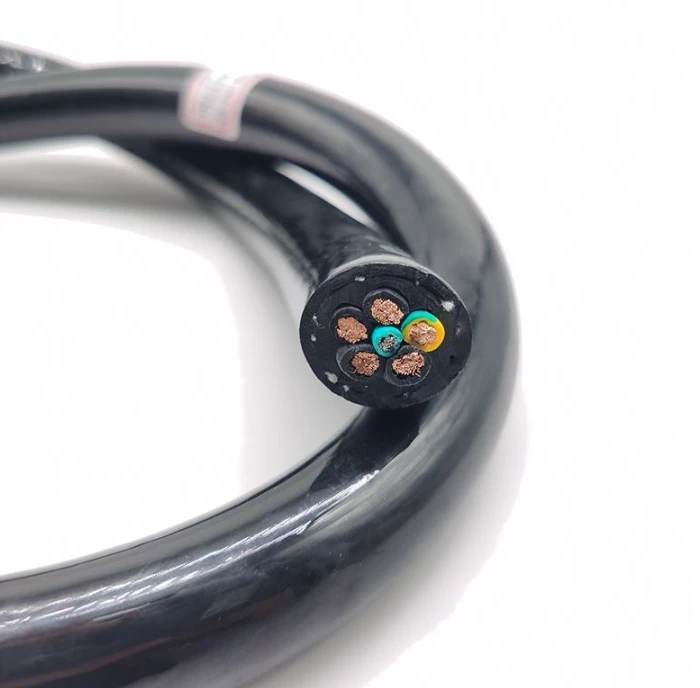
Choosing the right electrical cable is essential for ensuring safety, reliable power transmission, and long-term performance. Among the most commonly used cable types, rubber cable and PVC cable are often compared because both are widely used in industrial, commercial, and residential electrical systems.
Although they may look similar, these cables are designed for different working conditions. Their insulation materials, flexibility, durability, and environmental resistance vary significantly, making each suitable for specific applications.
This guide explains the key differences between rubber cable and PVC cable, helping engineers, contractors, distributors, and industrial buyers select the best option for their projects.
Quick Comparison
| Feature | Rubber Cable | PVC Cable |
| Flexibility | Excellent | Moderate |
| Mechanical Strength | Excellent | Good |
| Moisture Resistance | Excellent | Good |
| Oil Resistance | Excellent | Limited |
| Abrasion Resistance | Excellent | Moderate |
| Temperature Range | -40°C to +90°C (varies) | -15°C to +70°C (typical) |
| Outdoor Use | Highly Recommended | Suitable with UV-resistant grades |
| Indoor Wiring | Suitable | Excellent |
| Cost | Higher | Lower |
| Typical Service Life | Longer in harsh environments | Long in normal conditions |
What Is a Rubber Cable?
A rubber cable uses synthetic or natural rubber compounds as its insulation and outer sheath. These materials remain flexible even after repeated bending, making them ideal for applications where cables move frequently or are exposed to demanding environments.
Typical advantages include:
Outstanding flexibility
Excellent resistance to abrasion
High mechanical strength
Good resistance to moisture and oils
Reliable performance in harsh industrial environments
Rubber cables are commonly supplied by professional rubber cable manufacturers for industries such as mining, construction, ports, marine engineering, heavy equipment, and mobile machinery.
What Is a PVC Cable?
PVC cable uses polyvinyl chloride (PVC) as the insulation and jacket material. Because PVC is economical, easy to process, and offers good electrical insulation, it has become one of the most widely used cable materials worldwide.
Its main advantages include:
Affordable pricing
Easy installation
Stable electrical insulation
Wide availability
Suitable for fixed installations
PVC cables are widely used in residential buildings, commercial facilities, electrical panels, lighting systems, and permanent power distribution.
Key Differences Between Rubber Cable and PVC Cable
1. Flexibility
Flexibility is often the biggest difference.
Rubber cables are designed for continuous movement. Fine-stranded copper conductors combined with elastic rubber insulation allow the cable to bend repeatedly without cracking.
PVC cables are more rigid. While they can be bent during installation, they are not intended for constant movement.
Best Choice
Moving equipment → Rubber Cable
Fixed wiring → PVC Cable
2. Temperature Performance
Rubber materials remain flexible under both high and low temperatures.
PVC becomes harder in cold weather and softens more quickly when exposed to heat.
| Material | Typical Working Temperature |
| Rubber Cable | -40°C to +90°C |
| PVC Cable | -15°C to +70°C |
For outdoor equipment, cold climates, or high-temperature workshops, rubber cables generally provide better reliability.
3. Mechanical Protection
Industrial environments expose cables to impacts, dragging, and vibration.
Rubber cable jackets absorb mechanical stress much better than PVC, reducing the risk of cracks and insulation damage.
Rubber cable performs especially well in:
Construction sites
Mining operations
Mobile generators
Welding equipment
Crane systems
4. Resistance to Water and Chemicals
Rubber compounds naturally resist moisture and many industrial oils.
PVC offers acceptable water resistance but is generally less suitable for prolonged exposure to oils or harsh chemicals unless specially formulated.
5. Installation Environment
PVC cable is an excellent solution for indoor wiring where the cable remains fixed after installation.
Rubber cable is better suited for applications requiring:
Frequent movement
Outdoor exposure
Portable equipment
Temporary power supply
Heavy-duty industrial machinery
Rubber Cable Applications

Rubber cables are commonly used in:
Mining equipment
Construction machinery
Mobile generators
Tower cranes
Welding machines
Agricultural equipment
Marine electrical systems
Ports and shipyards
Industrial automation
Heavy-duty portable power equipment
PVC Cable Applications
PVC cables are widely used in:
Residential electrical wiring
Office buildings
Lighting circuits
Distribution boards
Cable trays
Indoor machinery
Commercial facilities
Factory fixed installations
Cost Comparison
PVC cable usually has a lower purchase price because PVC insulation is inexpensive and easy to manufacture.
Rubber cable costs more, but the added durability can reduce maintenance, downtime, and replacement expenses in demanding environments. When equipment is frequently moved or exposed to harsh conditions, the higher upfront investment often translates into a lower total cost of ownership.
Which Cable Lasts Longer?
The answer depends on the environment.
In normal indoor installations, both cable types can provide many years of reliable service.
However, in harsh industrial conditions involving bending, vibration, moisture, or abrasion, rubber cables generally maintain their performance for a longer period.
Choosing the right cable for the application is more important than selecting the lowest purchase price.
FAQ
Is rubber cable better than PVC cable?
Neither cable is universally better. Rubber cable performs better in demanding industrial environments, while PVC cable is an economical solution for fixed indoor installations.
Can PVC cable be used outdoors?
Yes, provided it is designed for outdoor use and protected from excessive UV exposure and mechanical damage. For severe outdoor conditions, rubber cable is usually the better choice.
Why is rubber cable more expensive?
Rubber compounds provide greater flexibility, mechanical strength, and resistance to harsh environments. These performance benefits increase manufacturing costs.
Which cable is better for portable equipment?
Rubber cable is the preferred option because it can withstand continuous bending, pulling, and movement without compromising electrical performance.
How do I choose a reliable cable supplier?
Look for a manufacturer that offers:
International certifications (IEC, CE, UL, VDE where applicable)
Strict quality control
Full technical documentation
Custom cable manufacturing
Consistent export experience
OEM and ODM support


