


The flexibility and bend radius of the control cable depend on several factors, including the cable design, materials used, and intended application. Generally speaking, a highly flexible cable will have a smaller bend radius than a less flexible cable.
01
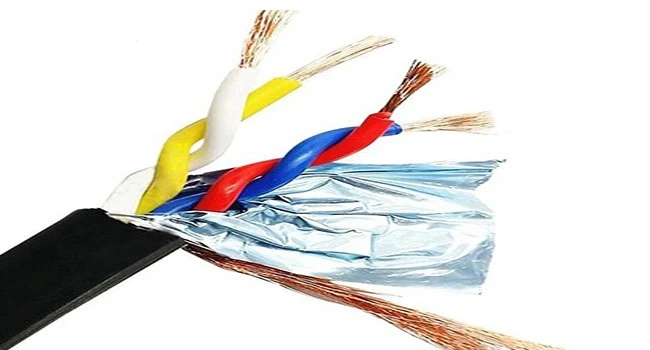
In terms of cable design, a high flexible shielded control cable typically consists of multiple conductors, each surrounded by its own insulation layer. These guides are then enveloped by a general safeguard to safeguard against electromagnetic impedance (EMI) and radio recurrence obstruction (RFI). The cable may likewise have a defensive external coat made of materials like polyurethane or PVC.
02
The materials utilized in the cable development can likewise affect its adaptability and twist span. For instance, a cable with a copper channel and a silicone protection layer will commonly be more adaptable than a cable with a copper conveyor and a PVC protection layer. In like manner, a connection with a polyurethane coat will be more versatile than a connection with a PVC coat.
03
The intended application of the cable is also important when considering its flexibility and bend radius. For example, a cable used in robotic applications will likely need to be highly flexible and have a small bend radius to accommodate the movements of the robot. On the other hand, a cable used in a fixed installation may not need to be as flexible and may have a larger bend radius.
04
Understanding the bend radius of this kind of cable is vital for proper installation and optimal performance. The cable is designed to maintain its electrical and mechanical integrity even when subjected to tight bends. We will explore the recommended bend radii for different cable sizes, emphasizing the importance of adhering to these guidelines to prevent damage and ensure longevity.
Shielding and EMI/RFI Protection of High Flexible Shielded Control Cable
The protecting of control cables is fundamental in conditions where electromagnetic obstruction (EMI) and radio-recurrence impedance (RFI) can think twice about trustworthiness. The high flexible shielded control cable excels in this regard, featuring advanced shielding technologies that effectively mitigate the impact of external electromagnetic influences.
The cable's safeguard is commonly made of a conductive material, for example, copper or aluminum, which is folded over the cable's channels. This creates a barrier that prevents EMI and RFI from penetrating the cable and interfering with the signals being transmitted by the conductors.
In addition to the overall shield, some control cables may also have individual shields around each conductor. These shields further enhance the cable's ability to block EMI and RFI.
To ensure maximum effectiveness, it is important that the cable's shield be properly grounded. This provides a path for any unwanted electrical signals to flow to ground, rather than entering the cable and causing interference.
Proper installation and routing of the cable can also help to reduce the effects of EMI and RFI. For instance, the cable ought to be avoided different wellsprings of electromagnetic radiation, for example, electrical cables or different cables conveying high-recurrence signals.
Overall, high flexible shielded control cable is designed to provide reliable protection against EMI and RFI, making it an ideal choice for applications where signal integrity is critical.
Installation and Usage of High Flexible Shielded Control Cable
Installation and usage of the cable require careful consideration to ensure optimal performance and longevity. Here are some key points to keep in mind:
Choose a high flexible shielded cable that meets the specific requirements of your application. Consider factors such as voltage rating, current capacity, temperature range, and environmental conditions.
Carefully plan the route through which the cable will be installed. Try not to defeat the cable close to wellsprings of electromagnetic impedance (EMI, for example, electrical cables or engines, as this can corrupt the cable's exhibition. Maintain a safe distance between the cable and any potential EMI sources.
The high flexible shielded control cable is designed to withstand repeated flexing and bending. However, it is important to adhere to the manufacturer's recommended minimum bend radius. Exceeding the bend radius can cause damage to the cable, leading to signal degradation or even failure.
Use appropriate cable supports and clamps to secure the cable along its route. This helps prevent excessive stress on the cable and reduces the risk of damage during installation and usage.
5.Grounding
Ensure that the cable's shield is properly grounded at both ends. This provides a path for unwanted electrical signals to flow to ground, rather than interfering with the transmitted signals. Follow the manufacturer's guidelines for proper grounding techniques.
6.Avoid Cable Twisting
Minimize twisting or torsional stress on the cable during installation. Excessive twisting can compromise the cable's performance and increase the risk of signal interference.
7.Proper Termination
Use high-quality connectors and termination techniques when connecting the cable to equipment or other cables. Improper termination can introduce signal loss or create points of vulnerability for EMI/RFI ingress.
8.Cable Management
Maintain proper cable management practices to avoid excessive tension, kinking, or sharp bends. Secure the cable using cable ties or other appropriate means to prevent strain on the conductors and shield.
9.Environmental Considerations
Guarantee that the cable is appropriate for the ecological circumstances wherein it will be utilized. Factors like temperature, dampness, synthetic substances, and UV openness can influence the cable's exhibition and life expectancy.Choose cables with appropriate insulation and jacket materials for the intended environment.
Regular Inspection and Maintenance
Periodically inspect the cable for any signs of wear, damage, or degradation. Promptly address any issues to prevent further damage and ensure continuous reliable performance.
By following these installation and usage guidelines, you can maximize the performance, reliability, and lifespan of this kind of control cable in your application. Always refer to the manufacturer's documentation and recommendations for specific instructions related to your cable.
Contact Information

If you want to learn more about this kind of high flexible shielded control cable, welcome to contact us: maoxiaojing@sxwqgb.com. We are here to provide additional information and address any inquiries you may have.


