


Introduction

In the realm of robotics, wires serve as the lifeline, carrying power, signals, and data essential for the operation of robotic systems. Understanding the types, functions, and importance of wires in robotics is crucial for engineers, hobbyists, and enthusiasts alike. Let's embark on a journey to explore the wires used in robotics in this comprehensive guide.
Types of Wires Used in Robotics
A power cable's purpose is to transfer electrical energy from sources like batteries or power units to different parts of a robotic system.
Commonly, these structures are made with beached copper pipes for pliability and insulated to prevent electrical seepage and guarantee safety.
Robotic systems feature a range of gauge sizes and setups to handle diverse power needs and current demands.
Alert Lines:
Control signals, sensor data, and various communication signals are transmitted through signal cables between distinct segments of a robotic system, like microcontrollers, sensors, actuators, and control units.
Engineered cables aim to ensure dependable transmission of low-voltage electrical signals, reducing electromagnetic interference (EMI) and overall signal deterioration.
Depending on the particular needs and environmental factors, signal cable types can include twisted pairs, coaxial cables, and shielded cables.
Cables for Data:
Data cables ease the transfer of digital information among linked robotics, encompassing feedback signals, coding data, and communication schemes.
Their design facilitates rapid data transfer, preserving the signal's integrity and shielding it from external disturbances.
Advanced shielding methods and impedance alignment are commonly used in data cables to guarantee strong data exchange in intricate robotic settings.
Input Networks:
Feedback cables facilitate the transfer of signals from sensors, encoders, and related devices back into a robot's control system.
The cables are pivotal in closed-loop control mechanisms, offering immediate feedback to precisely manage the robot's movement, placement, and efficiency.
The design of feedback cables focuses on reducing delay and interference to guarantee accurate and agile control over robot motions and activities.
Significance of Superior Wires for Robotics:
Robotic systems' functionality, dependability, and security hinge heavily on the integrity and quality of the employed wires.
Superior quality wires provide exceptional electrical conductivity, enhanced insulation capabilities, and resilience against mechanical strains, environmental elements, and temperature variations.
Selecting appropriate wiring that aligns with the particular needs of robotic applications can enhance the performance, durability, and effectiveness of the robotic systems at large.
Conclusion
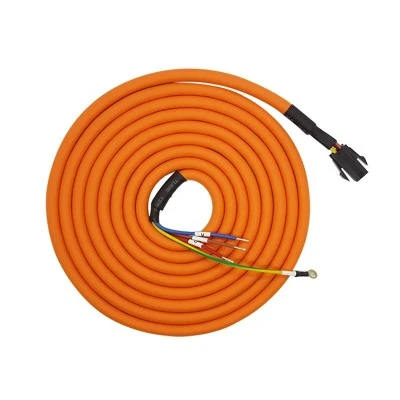
Wires serve as critical routes, facilitating flawless functioning of robotic systems by channeling energy, signals, and essential data for their operation. Grasping the diverse varieties of wires in robotics and their specific roles is essential for the design, construction, and upkeep of robotic systems aimed at peak performance and dependability.
Robotics technicians and aficionados, through the choice of superior wires and compliance with top-notch standards in electrical architecture, setup, and upkeep, can secure the seamless functioning, durability, and safety of their robots, catalyzing creative progress in robotic technology.
If You Want To Know For Further Information , Please Feel Free To Contact Us At Maoxiaojing@Sxwqgb.Com.


