


Hey there! I'm a supplier of solar cables, and today I wanna chat about what goes into insulating these crucial components of solar power systems. Solar cables are super important in getting the electricity generated by solar panels from the panels to the inverter and then to the grid or a storage system. And the insulation material they use is a key factor in their performance, safety, and longevity.
Why Insulation Matters in Solar Cables
Before we dig into the specific insulation materials, let's quickly talk about why insulation is so important in solar cables. First off, it prevents electrical shocks. Solar panels generate DC electricity, which can be dangerous if it comes into contact with people or conductive materials. A good insulation material creates a barrier that stops the electricity from leaking out.
Secondly, insulation helps to maintain the efficiency of the cable. It reduces the amount of energy lost as heat during the transmission of electricity. This means more of the power generated by the solar panels actually makes it to where it's needed.
Lastly, insulation protects the cable from environmental factors. Solar cables are often exposed to harsh conditions, like sunlight, heat, cold, moisture, and chemicals. A durable insulation material can withstand these elements and keep the cable working properly for a long time.
Common Insulation Materials for Solar Cables
Cross - Linked Polyethylene (XLPE)
One of the most popular insulation materials for solar cables is cross - linked polyethylene, or XLPE for short. XLPE is created by chemically cross - linking the polyethylene molecules. This process gives the material some great properties.
It has excellent electrical insulation properties, which means it can effectively prevent the leakage of electricity. It also has a high melting point, so it can handle high temperatures without deforming or losing its insulating ability. This is really important in solar applications, where cables can get quite hot under the sun.
XLPE is also resistant to moisture and chemicals. It won't break down easily when exposed to rain, snow, or other environmental contaminants. This makes it a reliable choice for outdoor solar installations.
Ethylene Propylene Rubber (EPR)
Ethylene propylene rubber, or EPR, is another common insulation material. EPR has good flexibility, which makes it easy to install. It can be bent and routed around obstacles without cracking or breaking.
In terms of electrical properties, EPR provides good insulation. It has a low dielectric constant, which helps to reduce energy losses during electricity transmission. It's also resistant to ozone and weathering, so it can stand up well to the outdoor conditions that solar cables face.
Polyvinyl Chloride (PVC)
PVC is a well - known and widely used plastic material. It's relatively inexpensive, which is one of the reasons it's sometimes used in solar cables. PVC has decent electrical insulation properties, and it can be made flame - retardant, which is an important safety feature.
However, PVC has some limitations. It's not as heat - resistant as XLPE or EPR. In high - temperature environments, PVC can become brittle and lose its insulating properties over time. It also has a lower resistance to sunlight and some chemicals compared to other materials.
Our Solar Cable Products and Their Insulation
As a solar cable supplier, we offer a range of products with different insulation materials to meet various customer needs. For example, our Solar Cable TÜV Certified PV1 - F Photovoltaic Cable is designed with high - quality insulation. The insulation on this cable is carefully selected to ensure it can withstand the demanding conditions of solar power systems. It provides excellent electrical insulation, as well as resistance to heat, UV radiation, and moisture.
Our Tinned Copper Cable also uses top - notch insulation. The tinned copper conductors are paired with insulation that offers good flexibility and long - term durability. This combination ensures efficient electricity transmission and reliable performance in solar applications.

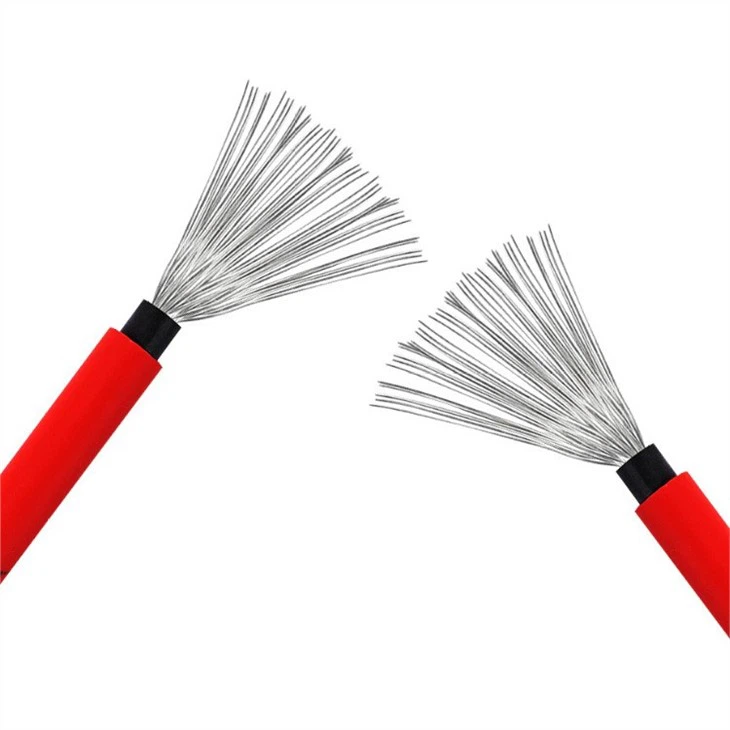
And our Solar Power Cables come in different configurations with various insulation materials. Whether you need a cable for a small residential solar installation or a large - scale commercial project, we have options that can fit your requirements.
Factors to Consider When Choosing Insulation Material
When you're choosing a solar cable, there are a few factors to think about regarding the insulation material.
Temperature Range: Consider the temperature conditions in the area where the solar system will be installed. If it gets really hot, you'll want a cable with insulation that can handle high temperatures, like XLPE. On the other hand, if it's a colder climate, you need to make sure the insulation won't become too stiff and brittle.
Exposure to UV Radiation: Since solar cables are usually outside, they're constantly exposed to sunlight. Look for an insulation material that has good UV resistance. Materials like XLPE and EPR are known for their ability to withstand UV rays without degrading quickly.
Chemical Exposure: If the solar installation is in an area where the cables might come into contact with chemicals, such as in an industrial setting, choose an insulation material that's resistant to those chemicals.
Flexibility Requirements: If the installation requires a lot of bending and routing of the cables, a more flexible insulation material like EPR might be a better choice.
Conclusion
The insulation material of a solar cable is a critical aspect that affects its performance, safety, and lifespan. Different materials have their own advantages and disadvantages, and the choice depends on various factors like the installation environment, temperature range, and flexibility needs.
As a solar cable supplier, we're committed to providing high - quality cables with the right insulation for your solar power projects. Whether you're a homeowner looking to install a small solar system on your roof or a large - scale solar developer, we have the products to meet your needs.
If you're interested in our solar cables or have any questions about the insulation materials, feel free to reach out to us. We'd be more than happy to discuss your requirements and help you find the perfect solar cable solution. Let's work together to make your solar power project a success!
References
- Handbook of Electrical and Electronic Insulating Materials
- Solar Power Systems Design and Installation Guide


