


Hey there! As a silicone cable supplier, I've seen my fair share of fake cables in the market. It's a real headache, not just for us suppliers but also for the end-users. Fake silicone cables can pose serious safety risks, and they often don't perform as well as the real deal. So, I thought I'd share some tips on how to identify fake silicone cables.
1. Check the Packaging
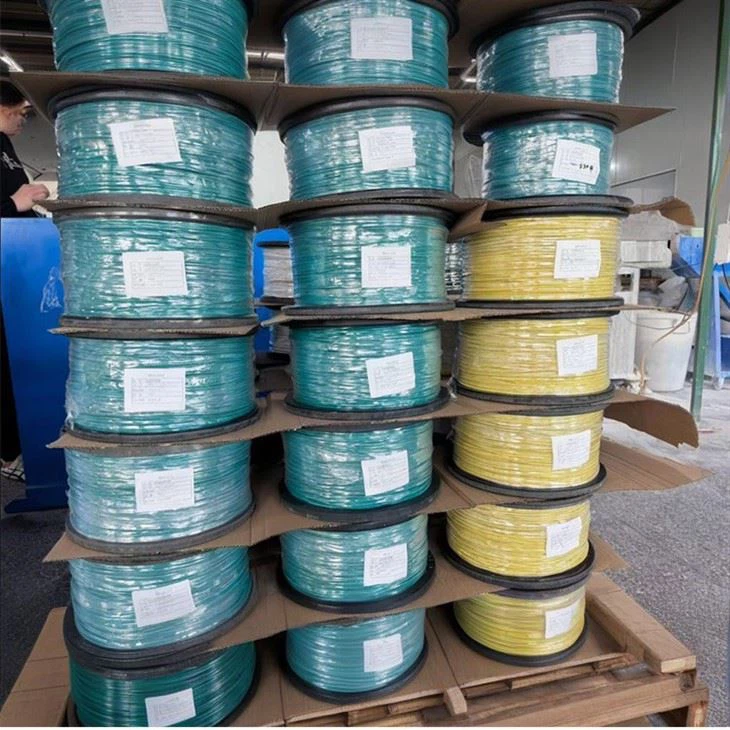
First things first, take a good look at the packaging. Real silicone cables usually come in high - quality packaging with clear labels. The label should have detailed information about the cable, such as its specifications, voltage rating, and the manufacturer's details. If the packaging looks cheap, with blurry or misspelled labels, it's a red flag.
For example, our Ultra Flexible 70mm2 Silicone Rubber Insulation Cable 8awg comes in a well - designed box with all the necessary information printed clearly. The font is sharp, and the colors are vibrant. On the other hand, fake cables might have packaging that looks faded or has smudged printing.
2. Examine the Cable's Appearance
The appearance of the cable can tell you a lot. Real silicone cables have a smooth and uniform surface. The insulation should be consistent in color and texture. If you notice any bumps, cracks, or unevenness on the cable, it could be a sign of a fake.
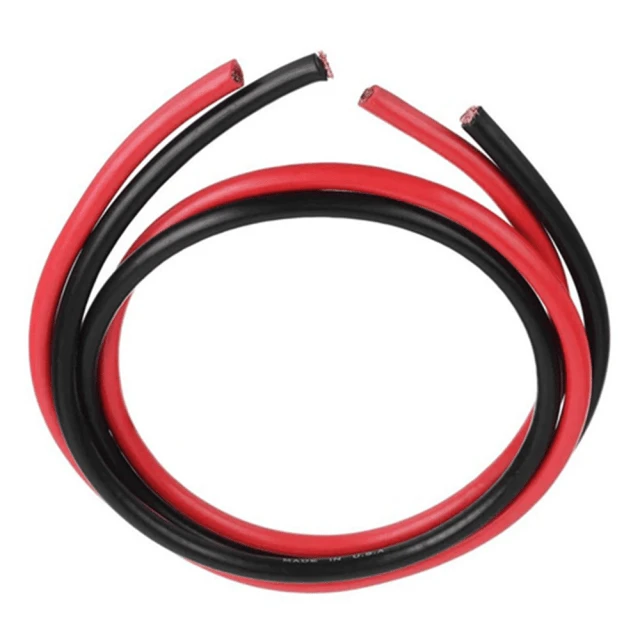
Also, check the ends of the cable. In genuine cables, the conductors are well - connected to the insulation, and there are no loose or exposed wires. For instance, our Silicone Battery Cable has a very high - quality finish. The silicone insulation is tightly bonded to the conductors, ensuring a reliable connection.
3. Test the Flexibility
Silicone cables are known for their excellent flexibility. Real silicone cables can be bent and twisted easily without breaking or damaging the insulation. Take the cable and gently bend it. If it feels stiff or if you hear cracking noises when you bend it, it might be a fake.
Our 200 Degree 1AWG 2AWG 3AWG 4AWG 5AWG 6AWG 7AWG Ultra Soft Silicone Wire 600V New Energy Vehicle Solar Battery Connection Cable is incredibly flexible. You can coil it up and uncoil it multiple times without any problems. Fake cables may lose their shape or even break when you try to bend them.
4. Check the Temperature Resistance
One of the key features of silicone cables is their high - temperature resistance. To check this, you can do a simple heat test. Of course, make sure to do it safely. You can use a heat gun on a low setting and slowly heat a small section of the cable.
Real silicone cables can withstand high temperatures without melting or deforming. After heating, the cable should return to its normal state once it cools down. If the cable starts to melt or gives off a strange smell when you heat it, it's likely a fake.
5. Look at the Conductivity
Good conductivity is essential for any cable. You can use a multimeter to test the resistance of the cable. A real silicone cable should have a low and consistent resistance. If the resistance is too high or varies significantly along the length of the cable, it could be a fake.
Keep in mind that testing conductivity requires some basic electrical knowledge. If you're not comfortable doing it yourself, you can ask a professional electrician to help.
6. Verify the Manufacturer
Do some research on the manufacturer of the cable. Reputable manufacturers have a good track record and can provide certifications and test reports for their products. You can check online reviews and industry forums to see what other people are saying about the manufacturer.
If you can't find any information about the manufacturer or if there are a lot of negative reviews, it's best to be cautious. As a supplier, we always stand by our products and are happy to provide any necessary documentation to our customers.
7. Compare the Price
Last but not least, the price can be a good indicator. If a silicone cable is priced significantly lower than the market average, there's a high chance it's a fake. Manufacturing high - quality silicone cables involves specific materials and processes, which cost money. So, if you see a deal that seems too good to be true, it probably is.
I hope these tips help you in identifying fake silicone cables. When it comes to electrical cables, safety should always be your top priority. Using fake cables can lead to electrical fires, short - circuits, and other dangerous situations.
If you're interested in purchasing high - quality silicone cables, I'd love to talk to you. Whether you need the Ultra Flexible 70mm2 Silicone Rubber Insulation Cable 8awg, Silicone Battery Cable or 200 Degree 1AWG 2AWG 3AWG 4AWG 5AWG 6AWG 7AWG Ultra Soft Silicone Wire 600V New Energy Vehicle Solar Battery Connection Cable, we've got you covered. Just reach out, and we can discuss your specific needs.
Let's make sure you get the best silicone cables out there to keep your projects running safely and efficiently!
References
- Electrical Cables Handbook: A comprehensive guide to different types of cables and their properties.
- Industry standards for silicone cables, such as IEEE and UL standards.


