


As a seasoned supplier of silicone cables, I've witnessed firsthand the remarkable properties and applications of these versatile products. One of the most critical aspects that often comes under scrutiny is the resistance to impact of silicone cables. In this blog, I'll delve into the science behind this characteristic, explore its real - world implications, and highlight our company's high - quality silicone cable offerings.
Understanding the Structure of Silicone Cables
Before we discuss impact resistance, it's essential to understand the basic structure of silicone cables. A typical silicone cable consists of a conductor, usually made of copper, and an insulating layer made of silicone rubber. The conductor is responsible for carrying the electrical current, while the silicone rubber insulation protects the conductor from environmental factors and provides electrical insulation.
Silicone rubber is a synthetic elastomer with unique chemical and physical properties. It is composed of silicon, oxygen, carbon, and hydrogen atoms arranged in a long - chain molecular structure. This structure gives silicone rubber its flexibility, high - temperature resistance, and excellent electrical insulation properties.
Factors Affecting the Impact Resistance of Silicone Cables
Material Properties
The quality and formulation of the silicone rubber used in the cable insulation play a significant role in determining its impact resistance. High - quality silicone rubber with proper cross - linking and additives can provide better impact resistance. Additives such as fillers and plasticizers can enhance the mechanical properties of the silicone rubber, making it more resistant to cracking and breaking under impact.
Cable Design
The design of the cable, including the thickness of the insulation layer and the construction of the conductor, also affects its impact resistance. A thicker insulation layer can absorb more energy during an impact, reducing the risk of damage to the conductor. Additionally, a well - constructed conductor with proper stranding and insulation support can help distribute the impact force evenly, minimizing the stress on the cable.
Temperature
Temperature can have a profound effect on the impact resistance of silicone cables. At low temperatures, silicone rubber becomes stiffer and more brittle, reducing its ability to absorb impact energy. On the other hand, at high temperatures, the mechanical properties of silicone rubber may degrade, also affecting its impact resistance. Therefore, it's important to consider the operating temperature range when evaluating the impact resistance of silicone cables.
Testing the Impact Resistance of Silicone Cables
To ensure the quality and reliability of our silicone cables, we conduct rigorous impact resistance testing. One common test method is the drop - weight test. In this test, a weighted object is dropped onto the cable from a specified height. The cable is then inspected for any signs of damage, such as cracking, splitting, or conductor exposure.
Another test method is the pendulum impact test. In this test, a pendulum with a specified mass and length is swung to strike the cable. The energy absorbed by the cable during the impact is measured, and the cable's impact resistance is evaluated based on the results.
Real - World Applications and the Importance of Impact Resistance
Silicone cables are used in a wide range of applications, many of which require high impact resistance.
Industrial Applications
In industrial settings, silicone cables are often exposed to harsh environments and mechanical stresses. For example, in manufacturing plants, cables may be subjected to vibrations, impacts from moving machinery, or accidental collisions. A cable with high impact resistance can withstand these conditions without damage, ensuring reliable electrical transmission and reducing the risk of downtime.
Automotive and Aerospace Applications
In the automotive and aerospace industries, silicone cables are used in critical systems such as engine control units, avionics, and electrical wiring harnesses. These cables must be able to withstand the vibrations and impacts associated with vehicle or aircraft operation. High - impact - resistant silicone cables can provide the necessary reliability and safety in these demanding applications.
Renewable Energy Applications
In renewable energy systems, such as solar and wind power plants, silicone cables are used to connect solar panels, wind turbines, and energy storage systems. These cables may be exposed to extreme weather conditions, including high winds, hail, and falling debris. Impact - resistant silicone cables can ensure the long - term performance and durability of these renewable energy systems.

Our Company's Silicone Cable Offerings
We offer a wide range of high - quality silicone cables with excellent impact resistance. Our Flexible Tinned Copper Silicone Wire Cable is designed for applications that require flexibility and high - impact resistance. The tinned copper conductor provides excellent electrical conductivity, while the silicone rubber insulation offers superior protection against environmental factors and mechanical stress.
Our High Temperature Resistant Cable is another popular product. It can withstand high temperatures without compromising its impact resistance. This makes it ideal for applications in high - temperature environments, such as industrial furnaces and automotive engine compartments.
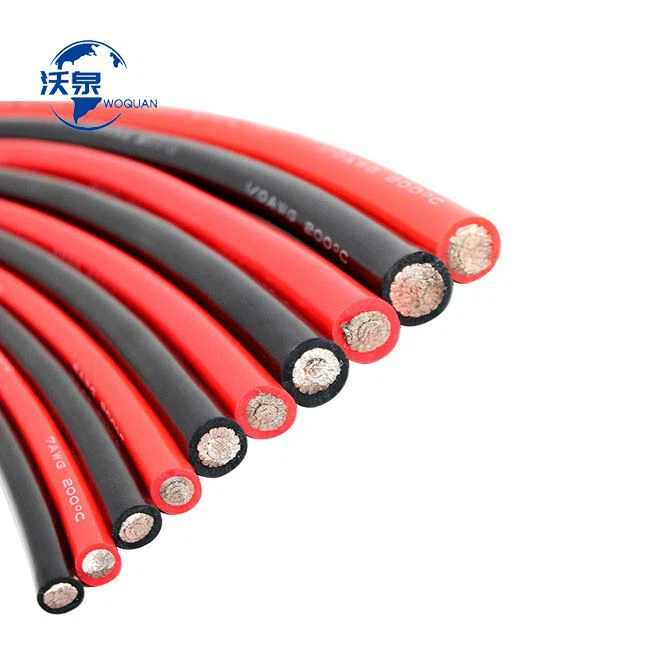
For applications in new energy vehicles and solar battery connections, our 200 Degree 1AWG 2AWG 3AWG 4AWG 5AWG 6AWG 7AWG Ultra Soft Silicone Wire 600V New Energy Vehicle Solar Battery Connection Cable offers the perfect combination of high - temperature resistance, flexibility, and impact resistance.
Conclusion
The impact resistance of silicone cables is a crucial factor in ensuring their reliability and performance in various applications. By understanding the factors that affect impact resistance and choosing high - quality cables, customers can minimize the risk of cable damage and ensure the long - term operation of their electrical systems.
As a leading supplier of silicone cables, we are committed to providing our customers with the highest quality products. Our silicone cables are designed and manufactured to meet the most demanding requirements, offering excellent impact resistance, high - temperature resistance, and electrical performance.
If you are interested in our silicone cable products or have any questions about impact resistance or other cable properties, please feel free to contact us for a procurement discussion. We look forward to serving you and meeting your cable needs.
References
- "Handbook of Silicone Elastomers" by Neil McNally
- "Electrical Wiring Handbook" by Terrell Croft and Wilford Summers


