Hey there! I'm a supplier of crane cables, and today I want to dig into a question that often pops up: What is the maximum speed at which a crane cable can operate? It's a topic that's super important for anyone in the crane business, whether you're a crane operator, a project manager, or just someone interested in how these massive machines work.
First off, let's understand why the speed of a crane cable matters. When a crane is in action, the cable is constantly under stress. The speed at which it moves affects how much wear and tear it experiences, as well as the overall safety and efficiency of the operation. If the cable moves too fast, it can lead to excessive friction, which can cause the cable to heat up, weaken, and eventually break. On the other hand, if it moves too slowly, it can slow down the entire project, costing time and money.
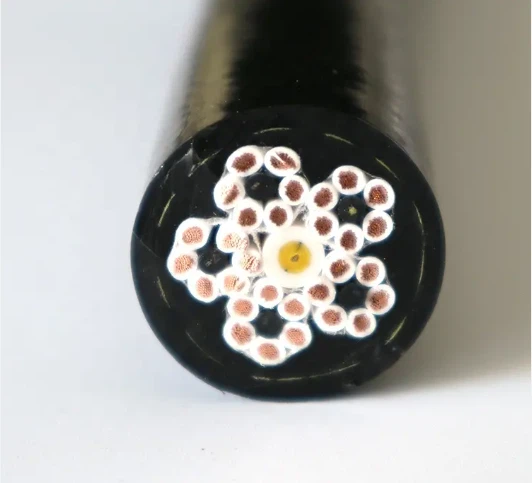
So, what factors determine the maximum speed of a crane cable? Well, there are quite a few. One of the most important is the type of cable being used. Different cables are designed for different applications and have different capabilities. For example, a Flexible Drag Chain Cable is designed to be highly flexible and can withstand a lot of bending and twisting. This type of cable is often used in applications where the cable needs to move quickly and smoothly, such as in automated machinery. On the other hand, a Shielded Drag Chain Cable is designed to protect the electrical signals being transmitted through the cable from interference. This type of cable is often used in applications where electromagnetic interference is a concern, such as in industrial environments.
Another factor that affects the maximum speed of a crane cable is the weight of the load being lifted. The heavier the load, the more stress the cable will be under, and the slower it will need to move to ensure safety. In addition, the length of the cable also plays a role. Longer cables are more likely to sag and vibrate, which can affect the speed at which they can move.
The environment in which the crane is operating is also an important consideration. For example, if the crane is operating in a hot and humid environment, the cable may be more prone to heat damage and corrosion. In this case, the maximum speed of the cable may need to be reduced to prevent damage. Similarly, if the crane is operating in a dusty or dirty environment, the cable may be more prone to abrasion and wear, which can also affect its maximum speed.
So, how do you determine the maximum speed of a crane cable for your specific application? The first step is to consult the manufacturer's specifications for the cable. The manufacturer will typically provide information on the maximum speed, load capacity, and other important parameters for the cable. It's important to follow these specifications to ensure the safe and efficient operation of the crane.
In addition to consulting the manufacturer's specifications, it's also a good idea to conduct a risk assessment of the crane operation. This will help you identify any potential hazards and determine the appropriate safety measures to take. For example, if the load being lifted is particularly heavy or the environment is particularly challenging, you may need to reduce the maximum speed of the cable or take other precautions to ensure safety.

Finally, it's important to regularly inspect and maintain the crane cable to ensure its continued safe and efficient operation. This includes checking for signs of wear and damage, such as fraying, corrosion, or kinking. If any issues are detected, the cable should be replaced immediately to prevent a potential failure.
As a crane cable supplier, I understand the importance of providing high-quality cables that are designed to meet the specific needs of our customers. That's why we offer a wide range of Crane Cable options, including flexible drag chain cables, shielded drag chain cables, and more. Our cables are made from the highest quality materials and are rigorously tested to ensure their reliability and performance.
If you're in the market for a crane cable, I encourage you to contact us to discuss your specific needs. Our team of experts can help you select the right cable for your application and provide you with all the information you need to ensure its safe and efficient operation. Whether you're a small business or a large corporation, we're committed to providing you with the best possible service and support.
In conclusion, the maximum speed at which a crane cable can operate depends on a variety of factors, including the type of cable, the weight of the load, the length of the cable, the environment, and other considerations. By consulting the manufacturer's specifications, conducting a risk assessment, and regularly inspecting and maintaining the cable, you can ensure the safe and efficient operation of your crane. And if you need a high-quality crane cable for your application, don't hesitate to contact us. We're here to help!
References
- Crane safety standards and guidelines from relevant industry organizations.
- Manufacturer's specifications for crane cables.