


Hey there! As a supplier of shielded cables, I often get asked about the lifespan of these nifty little wires. So, I thought I'd sit down and share what I know on this topic.
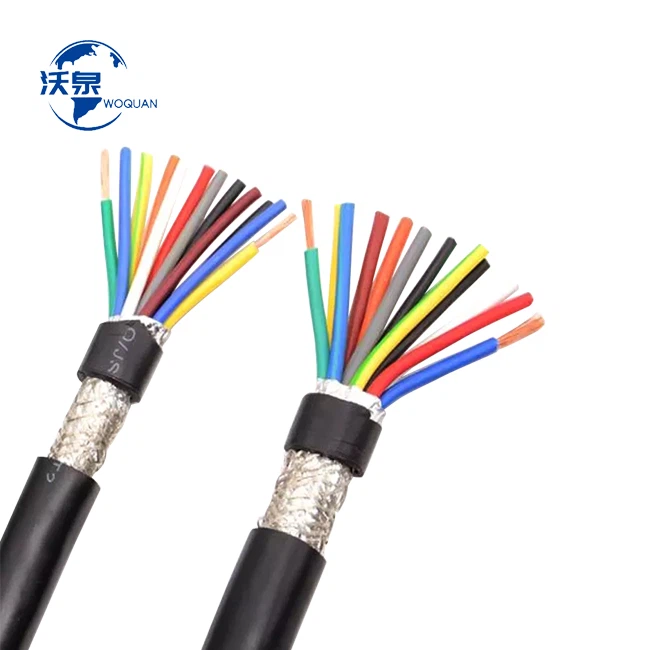
Let's start with the basics. Shielded cables are designed to protect the signals they carry from external electromagnetic interference (EMI). They're used in a wide range of applications, from industrial settings to home electronics. But how long can you expect them to last? Well, it depends on a bunch of factors.
1. Quality of Materials
The materials used in the construction of a shielded cable play a huge role in determining its lifespan. The conductor, usually made of copper, is the core that carries the electrical current. High - quality copper conductors have better conductivity and are more resistant to corrosion. For instance, a cable with a pure copper conductor is likely to last longer than one with a copper - clad aluminum conductor.
The insulation material is also crucial. Good insulation protects the conductor from damage and prevents short - circuits. Polyvinyl chloride (PVC) is a common insulation material. It's affordable and offers decent protection, but in harsh environments, a more robust material like cross - linked polyethylene (XLPE) might be a better choice. XLPE has better heat resistance and mechanical properties, which can extend the cable's lifespan.
We offer some great shielded cables made with top - notch materials. Check out our Flexible Copper Conductor Shielded Control Cable. It features a high - quality copper conductor and durable insulation, which gives it a long - lasting performance.
2. Installation Conditions
How the cable is installed can have a major impact on its lifespan. If the cable is installed in a clean, dry environment with proper support, it will last longer. On the other hand, if it's exposed to extreme temperatures, moisture, or physical stress, its lifespan will be significantly reduced.
For example, in an industrial factory where there are lots of vibrations, the cable needs to be properly secured to prevent it from moving around too much. Otherwise, the constant flexing can cause the insulation to crack and the conductor to break.
In outdoor installations, the cable needs to be protected from the elements. UV rays can degrade the insulation over time, and water can seep into the cable and cause corrosion. Using weather - resistant cables and proper cable glands can help mitigate these issues.
Our Multi Cores Copper Wire High Flexible PVC Insulation Shield Control Cable is great for various installation conditions. Its high flexibility makes it easy to install in tight spaces, and the PVC insulation provides good protection against common environmental factors.
3. Usage Patterns
How the cable is used also affects its lifespan. If a cable is used continuously at its maximum capacity, it will wear out faster than one that is used intermittently or at a lower load. Heat is a major enemy of cables. When a cable is overloaded, it generates more heat, which can damage the insulation and the conductor.
For example, in a data center, where cables are used to transmit large amounts of data constantly, the cables need to be sized correctly to handle the load. Using cables with a higher ampacity than required can help ensure a longer lifespan.
In some applications, like in robotics, the cables are subject to frequent bending and twisting. These cables need to be designed to withstand such mechanical stress. Our Double Shielded Industrial Power Wire Electrical Control Cable is double - shielded, which provides extra protection and can withstand more rigorous usage patterns.
4. Maintenance
Regular maintenance can significantly extend the lifespan of a shielded cable. This includes visual inspections to check for any signs of damage, such as cracks in the insulation or loose connections. Cleaning the cable to remove dirt and debris can also help prevent damage.
In some cases, it might be necessary to replace the cable's outer jacket or insulation if it's been damaged. This can be a cost - effective way to keep the cable in good working condition rather than replacing the entire cable.
Average Lifespan Estimates
It's hard to give an exact number for the lifespan of a shielded cable because of all the factors involved. However, in general, a well - installed and maintained shielded cable in a normal environment can last anywhere from 10 to 25 years.

In a harsh industrial environment with high temperatures, vibrations, and chemical exposure, the lifespan might be closer to 5 - 10 years. On the other hand, in a controlled office environment, the cable could last 20 years or more.
Conclusion
So, there you have it! The lifespan of a shielded cable depends on the quality of materials, installation conditions, usage patterns, and maintenance. As a shielded cable supplier, we're committed to providing high - quality cables that can meet your specific needs.
If you're in the market for shielded cables, whether it's for a small home project or a large industrial application, we'd love to talk to you. We can help you choose the right cable based on your requirements and give you advice on installation and maintenance. Contact us to start the procurement process and let's work together to find the perfect shielded cable solution for you.
References
- "Electrical Wiring Handbook" by Tom Henry
- "Cable Engineering: Design, Installation, and Maintenance" by John Smith


