


In the field of electrical and electronic engineering, connectors play a pivotal role in ensuring seamless and reliable connections between various components. However, one of the significant challenges that connectors face is corrosion, which can compromise their performance and durability. As a connector supplier, I am well - versed in the importance of corrosion - resistant connectors and would like to share in - depth knowledge about them.
Understanding Corrosion in Connectors
Corrosion in connectors is a chemical reaction that occurs when the metal surfaces of the connectors come into contact with corrosive agents such as moisture, oxygen, salts, and certain chemicals. This reaction leads to the formation of metal oxides, hydroxides, or other compounds on the surface of the connector. Over time, these corrosion products can increase the electrical resistance of the connection, cause signal loss, and even lead to complete failure of the connector.
There are several types of corrosion that connectors may encounter. One common type is galvanic corrosion, which happens when two different metals are in contact in the presence of an electrolyte. The more active metal corrodes at an accelerated rate. For example, if a connector is made of a combination of copper and aluminum, and there is moisture present, the aluminum may corrode faster due to its higher electrochemical activity compared to copper.
Another type is pitting corrosion, which appears as small pits or holes on the surface of the connector. This type of corrosion can be particularly dangerous as it can penetrate deep into the metal, weakening the structure of the connector and eventually leading to its failure.
Importance of Corrosion - Resistant Connectors
The importance of corrosion - resistant connectors cannot be overstated. In many industries, such as automotive, aerospace, marine, and renewable energy, connectors are often exposed to harsh environments. In the automotive industry, connectors are used in engine compartments, where they are exposed to high temperatures, moisture, and engine fluids. In the aerospace industry, connectors need to withstand extreme temperatures, high altitudes, and exposure to various chemicals. In the marine environment, connectors are constantly exposed to saltwater, which is highly corrosive.
In the renewable energy sector, especially in solar power systems, connectors are crucial for connecting solar panels, inverters, and batteries. These connectors are often installed outdoors, where they are exposed to sunlight, rain, snow, and humidity. A corroded connector in a solar power system can lead to power loss, reduced efficiency, and even safety hazards. Therefore, using corrosion - resistant connectors in solar power systems is essential for ensuring the long - term reliability and performance of the system.
Features of Corrosion - Resistant Connectors
Corrosion - resistant connectors are designed with several features to prevent or minimize corrosion. One of the key features is the choice of materials. High - quality metals such as stainless steel, nickel - plated copper, and gold - plated contacts are commonly used. Stainless steel is highly resistant to corrosion due to the presence of chromium, which forms a passive oxide layer on the surface of the metal, protecting it from further corrosion. Nickel - plated copper provides a good balance between cost and corrosion resistance. Gold is an excellent choice for contacts as it is highly resistant to oxidation and corrosion, and it also has good electrical conductivity.
Another important feature is the use of protective coatings. These coatings can act as a barrier between the metal surface of the connector and the corrosive environment. Epoxy coatings, for example, can provide excellent protection against moisture and chemicals. Silicone coatings can also be used to provide a flexible and water - resistant barrier.
Sealing is also a critical feature of corrosion - resistant connectors. A well - sealed connector can prevent the ingress of moisture, dust, and other contaminants. O - rings and gaskets are commonly used to provide a tight seal. In some connectors, a hermetic seal is used, which provides an air - tight and water - tight connection, offering the highest level of protection against corrosion.
Our Corrosion - Resistant Connector Products
As a connector supplier, we offer a wide range of corrosion - resistant connectors to meet the diverse needs of our customers. Our Photovoltaic Solar Cable Connector is specifically designed for solar power systems. It is made of high - quality materials and features a robust design to withstand harsh outdoor environments. The connector is resistant to UV radiation, moisture, and temperature variations, ensuring long - term reliability and performance.

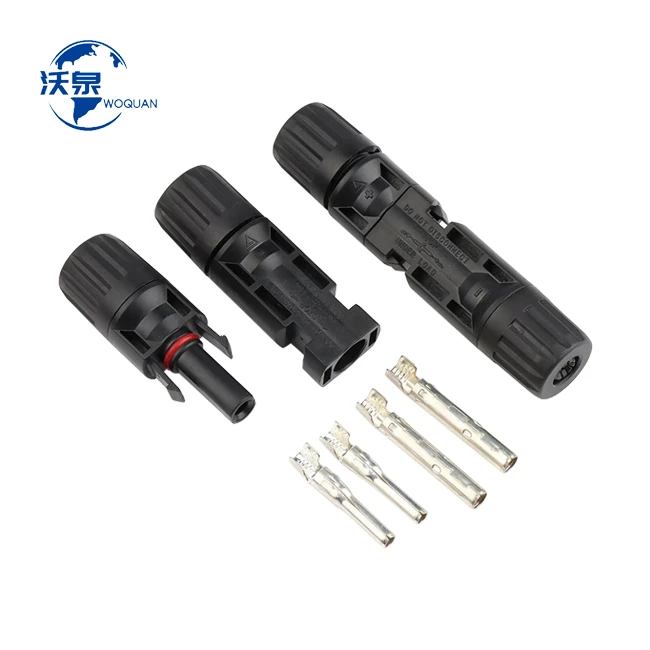
Our TUV Certified Waterproof 1000v 1500v Solar Cable Connector is another excellent product. It has been certified by TUV, which is a well - recognized international certification body. This certification ensures that the connector meets strict quality and safety standards. The connector is waterproof, which means it can effectively prevent the ingress of water, even in heavy rain or underwater applications.
We also offer the Dc Male And Female PV Solar Panel Magnetic Electrical Cable Connector. This connector uses magnetic technology, which makes it easy to connect and disconnect. The magnetic connection also provides a stable and reliable electrical connection. The connector is corrosion - resistant, making it suitable for use in solar power systems.
Applications of Our Corrosion - Resistant Connectors
Our corrosion - resistant connectors have a wide range of applications. In the solar power industry, they are used to connect solar panels, inverters, and batteries. The reliable and corrosion - resistant connections ensure that the solar power system can operate efficiently for a long time.
In the automotive industry, our connectors can be used in various electrical systems, such as engine control units, lighting systems, and sensor systems. The corrosion - resistant properties of our connectors can help to improve the reliability and performance of these systems, reducing the risk of electrical failures.
In the marine industry, our connectors are suitable for use in boats, ships, and offshore platforms. They can withstand the harsh marine environment, including saltwater, high humidity, and strong winds.
Conclusion
Corrosion - resistant connectors are essential for ensuring the reliable and long - term performance of electrical and electronic systems in various industries. As a connector supplier, we are committed to providing high - quality corrosion - resistant connectors that meet the diverse needs of our customers. Our products are designed with the latest technologies and materials to offer the best protection against corrosion.
If you are interested in our corrosion - resistant connectors or have any questions about our products, please feel free to contact us for further discussion and potential procurement. We look forward to serving you and helping you find the most suitable connector solutions for your applications.
References
- Jones, D. A. (1992). Principles and Prevention of Corrosion. Prentice Hall.
- Uhlig, H. H., & Revie, R. W. (1985). Corrosion and Corrosion Control. Wiley - Interscience.
- Fontana, M. G. (1986). Corrosion Engineering. McGraw - Hill.


