


Mining operations are among the most challenging industrial environments, where cables are subjected to extreme conditions. As a dedicated mining cable supplier, I understand the critical importance of abrasion resistance in mining cables. In this blog, I will delve into the abrasion - resistant requirements for mining cables, exploring why they are so crucial and what factors influence these requirements.
The Harsh Mining Environment and Abrasion Risks
Mining sites are filled with rough surfaces, sharp rocks, and heavy machinery. Cables in mines are constantly in contact with these abrasive elements. For example, in underground mines, cables may be dragged along the rocky floors or get caught between moving equipment parts. In open - pit mines, they are exposed to the elements and can be damaged by falling debris.
Abrasion can lead to several serious problems. Firstly, it can damage the outer insulation layer of the cable. Once the insulation is compromised, it exposes the conductive core, increasing the risk of electrical short - circuits. This not only disrupts the mining operations but also poses a significant safety hazard to the workers. Secondly, continuous abrasion can weaken the cable structure, reducing its overall lifespan and increasing the frequency of cable replacements, which in turn raises the operational costs for mining companies.

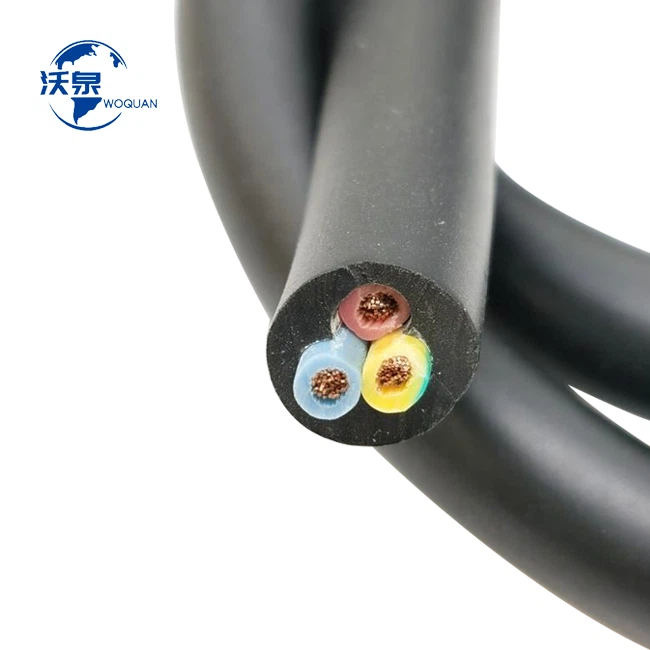
Abrasion - Resistant Requirements Based on Cable Applications
Power Transmission Cables
Power transmission cables are responsible for delivering electricity to various parts of the mine. They often run long distances and are exposed to different types of abrasion sources. For these cables, a high level of abrasion resistance is required. They need to withstand the constant friction against the mine walls, floors, and other equipment.
Our Copper Core PVC Insulated Power Cables For Coal Mine are designed to meet these demanding requirements. The PVC insulation provides a certain degree of abrasion resistance, and the copper core ensures efficient power transmission. These cables are tested rigorously to ensure they can withstand the harsh conditions in coal mines, including the abrasion caused by coal dust and rough surfaces.
Towing and Flexible Cables
Towing cables are used to move heavy equipment and materials within the mine. They are constantly being pulled and dragged, which subjects them to high levels of abrasion. Flexible cables, on the other hand, need to be able to bend and twist without losing their abrasion - resistant properties.
Our Flexible Electric Waterproof Rubber Mining Towing Cable is an excellent choice for such applications. The rubber outer layer is highly resistant to abrasion, and its flexibility allows it to adapt to different movement patterns. Additionally, the waterproof feature ensures that the cable can function properly even in wet mining environments, where the presence of water can exacerbate the abrasion problem.
Medium - Voltage Cables
Medium - voltage cables are used in more specialized mining operations, such as tunneling and underground power distribution. These cables need to be able to withstand the unique abrasion conditions in confined spaces.
Our 12/20KV Flexible MV Tunnelling And Underground Mining Cable is engineered to meet the abrasion - resistant requirements of tunneling and underground mining. The cable's design takes into account the limited space and the potential for contact with sharp objects during the tunneling process. It is built with a tough outer sheath that can resist abrasion and protect the inner conductors.
Factors Influencing Abrasion - Resistant Requirements
Material Selection
The choice of materials for the cable's outer sheath is crucial in determining its abrasion resistance. Rubber and PVC are two commonly used materials. Rubber is known for its high flexibility and excellent abrasion - resistant properties. It can absorb shocks and resist cuts and scratches. PVC, on the other hand, is more rigid and offers good chemical resistance in addition to abrasion resistance. The selection of the material depends on the specific application and the expected abrasion conditions.
Cable Design
The design of the cable also plays a significant role in its abrasion resistance. For example, a cable with a thicker outer sheath will generally be more resistant to abrasion than one with a thinner sheath. Additionally, the way the layers of the cable are arranged can affect its overall durability. Some cables are designed with multiple layers of protection, where each layer serves a specific purpose in enhancing the cable's performance.
Operating Conditions
The operating conditions in the mine, such as temperature, humidity, and the presence of chemicals, can also influence the abrasion - resistant requirements. High temperatures can make the cable materials more brittle, reducing their abrasion resistance. Humidity can cause corrosion, which weakens the cable structure and makes it more susceptible to abrasion. Chemicals in the mine environment can react with the cable materials, degrading their properties. Therefore, the cables need to be designed to withstand these specific operating conditions.
Testing and Standards for Abrasion Resistance
To ensure that mining cables meet the required abrasion - resistant standards, various testing methods are used. One common test is the Taber abrasion test, which measures the amount of material loss from the cable's outer surface after a certain number of abrasion cycles. Another test is the sandpaper abrasion test, where the cable is rubbed against sandpaper to simulate the abrasion caused by rough surfaces in the mine.
There are also international and national standards for mining cable abrasion resistance. For example, the International Electrotechnical Commission (IEC) has established standards that define the minimum abrasion - resistant requirements for different types of mining cables. Compliance with these standards is essential for ensuring the safety and reliability of the cables in mining operations.
Our Commitment as a Mining Cable Supplier
As a mining cable supplier, we are committed to providing high - quality cables that meet the strict abrasion - resistant requirements of the mining industry. We invest in research and development to continuously improve our cable designs and materials. Our manufacturing processes are carefully monitored to ensure that each cable meets the highest standards of quality and performance.
We understand that every mining operation is unique, and we work closely with our customers to understand their specific needs. Whether it's a small - scale mining project or a large - scale industrial mine, we can provide customized cable solutions that are tailored to the specific abrasion conditions of the site.
If you are in the mining industry and are looking for reliable and abrasion - resistant mining cables, we invite you to contact us for a procurement discussion. We are ready to offer you the best cable solutions that will meet your operational requirements and ensure the safety and efficiency of your mining operations.
References
- International Electrotechnical Commission (IEC) standards on mining cables.
- Industry reports on mining cable performance and safety.
- Technical literature on cable materials and their abrasion - resistant properties.


