


Hey there! As a supplier of silicone cables, I often get asked about how to properly dispose of used silicone cables. It's a crucial topic, not just for environmental reasons but also for safety. In this blog, I'll share some insights on the best ways to handle used silicone cables and why it matters.
First off, let's understand what silicone cables are. We offer a wide range of products, like Silicone Battery Cable and Silicone Wire, including Silicone Wire 2.5mm. Silicone cables are known for their flexibility, high-temperature resistance, and durability. They're used in various applications, from automotive to household electronics.
But what happens when these cables reach the end of their useful life? Improper disposal can have serious consequences. Silicone is a synthetic material, and if it's not disposed of correctly, it can end up in landfills, where it may take a long time to break down. Also, some silicone cables may contain small amounts of metals or other substances that could be harmful to the environment if released.
So, how can you dispose of used silicone cables?

Recycling
Recycling is one of the best ways to deal with used silicone cables. There are specialized recycling facilities that can handle these materials. These facilities have the technology to separate the silicone from other components, like the metal conductors inside the cables. The silicone can then be processed and reused to make new products.
To recycle your used silicone cables, you first need to find a local recycling center that accepts them. You can check with your local waste management department or do an online search. Once you've found a suitable facility, you'll need to prepare the cables for recycling. This usually involves cutting the cables into manageable lengths and removing any non-silicone parts, like connectors or insulation made of other materials.
Donation or Reuse
If your used silicone cables are still in good working condition, consider donating them. There are many organizations, schools, or DIY enthusiasts who could make use of these cables. You can post on local community boards or online platforms to find potential recipients.
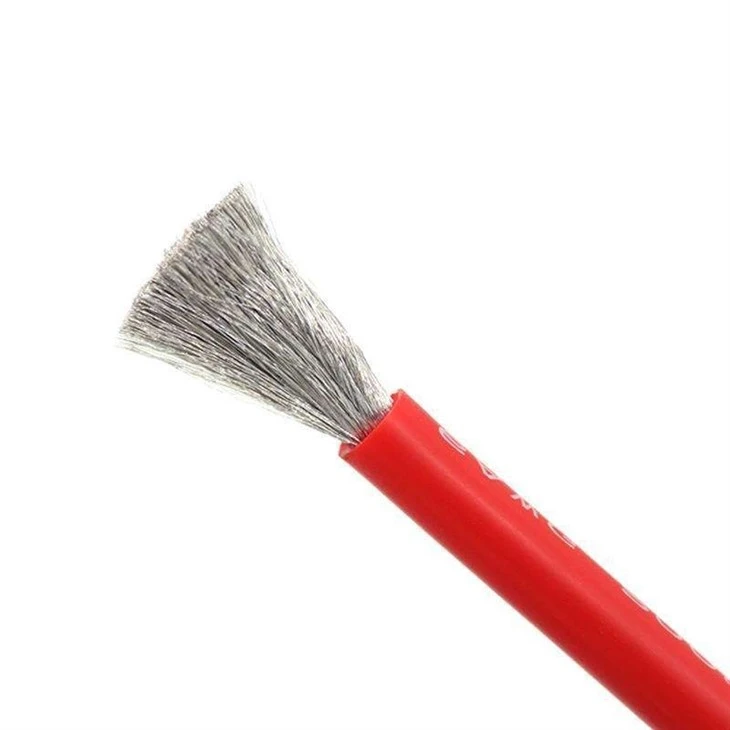
Reusing the cables within your own projects is also a great option. For example, if you're into electronics tinkering, you can salvage the cables for other small projects. Just make sure to test the cables for any damage or wear before using them again.
Hazardous Waste Disposal
In some cases, used silicone cables may be considered hazardous waste. This could be due to the presence of certain chemicals or contaminants. If you're unsure whether your cables fall into this category, it's best to consult with a professional.
Hazardous waste disposal requires special handling. You'll need to contact a licensed hazardous waste disposal company. They'll have the expertise and equipment to safely dispose of the cables, ensuring that any potential risks to the environment and human health are minimized.

Why Proper Disposal Matters
Proper disposal of used silicone cables is essential for several reasons. From an environmental perspective, recycling and reusing these cables helps to conserve natural resources. It reduces the need for new raw materials to be extracted and processed, which in turn saves energy and reduces pollution.
On a safety level, correct disposal ensures that any potentially harmful substances in the cables are handled properly. This protects the environment and the health of those living and working nearby.
Our Role as a Supplier
As a silicone cable supplier, we're committed to promoting responsible disposal. We believe that it's our responsibility to educate our customers about the importance of proper waste management. That's why we're sharing this information with you today.
We also encourage our customers to reach out to us if they have any questions or need advice on disposing of our products. We're here to support you every step of the way.
Conclusion
In conclusion, disposing of used silicone cables properly is crucial for the environment and safety. Whether it's through recycling, donation, or hazardous waste disposal, there are several options available. By taking the time to handle these cables correctly, we can all do our part to create a more sustainable future.
If you're interested in purchasing high-quality silicone cables for your projects, feel free to get in touch. We're always happy to discuss your requirements and find the best solutions for you.
References
- Environmental Protection Agency. (Year). Guidelines for Electronic Waste Disposal.
- Local Waste Management Department. (Year). Recycling Regulations for Synthetic Materials.


