


Hey there! As a supplier of silicone cables, I often get asked how silicone cables stack up against rubber cables. It's a great question, and in this blog post, I'll break down the key differences between the two, so you can make an informed decision for your next project.
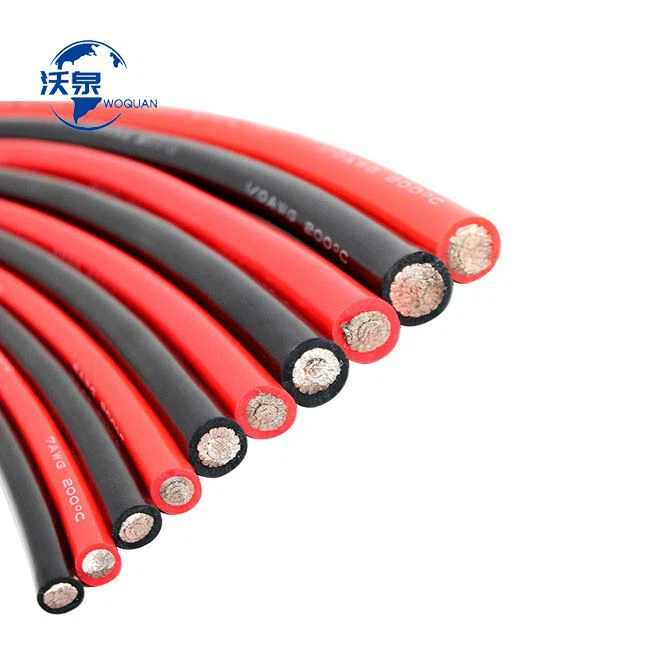

Material Composition
Let's start with the basics: what are these cables made of? Rubber cables are typically made from natural or synthetic rubber compounds. Natural rubber comes from latex, while synthetic rubber is chemically engineered to have specific properties. On the other hand, silicone cables are made from silicone rubber, which is a type of elastomer based on silicon, oxygen, carbon, and hydrogen.
The difference in material composition leads to some significant differences in performance. Silicone rubber has a more stable molecular structure compared to natural or synthetic rubber. This stability gives silicone cables some unique advantages, especially when it comes to temperature resistance.
Temperature Resistance
One of the most significant advantages of silicone cables is their excellent temperature resistance. Silicone cables can withstand a much wider range of temperatures than rubber cables. They can operate in temperatures ranging from -60°C to 200°C, and some High Temperature Resistant Cable can even handle temperatures up to 250°C.
In contrast, rubber cables usually have a more limited temperature range. Most rubber cables can operate between -20°C and 105°C. If you need to use cables in extreme temperature environments, such as in industrial ovens, aerospace applications, or outdoor areas with extreme cold, silicone cables are the clear winner.
Flexibility
Flexibility is another important factor to consider when choosing between silicone and rubber cables. Silicone cables are known for their exceptional flexibility. The Flexible Tinned Copper Silicone Wire Cable is a great example of this. It can be bent and twisted repeatedly without losing its electrical performance or structural integrity.
Rubber cables are also flexible, but they may become stiffer in cold temperatures. This stiffness can make them more difficult to install and use in some applications. If your project requires cables that need to be bent or moved frequently, silicone cables are a better choice.
Chemical Resistance
Silicone cables have better chemical resistance than rubber cables. They are resistant to many chemicals, including oils, solvents, and acids. This makes them suitable for use in harsh chemical environments, such as chemical plants and laboratories.
Rubber cables, on the other hand, may be damaged by exposure to certain chemicals. For example, some rubber compounds can be degraded by oil or solvents, which can lead to a loss of insulation properties and a shorter lifespan.
Electrical Properties
Both silicone and rubber cables are good insulators, but silicone cables have some advantages in terms of electrical properties. Silicone has a low dielectric constant, which means it can reduce signal loss in high-frequency applications. This makes silicone cables ideal for use in telecommunications and electronics.
In addition, silicone cables have a high volume resistivity, which means they can resist the flow of electric current through the insulation. This property helps to prevent electrical leakage and short circuits, improving the safety and reliability of the electrical system.
Durability and Lifespan
Silicone cables are generally more durable and have a longer lifespan than rubber cables. The stable molecular structure of silicone rubber makes it resistant to aging, ozone, and UV radiation. This means that silicone cables can maintain their performance over a longer period of time, even when exposed to harsh environmental conditions.
Rubber cables may degrade over time due to exposure to heat, oxygen, and UV radiation. This degradation can lead to cracking, hardening, and a loss of insulation properties. As a result, rubber cables may need to be replaced more frequently than silicone cables.
Cost
When it comes to cost, rubber cables are usually less expensive than silicone cables. The raw materials for rubber cables are generally cheaper, and the manufacturing process is also less complex. However, you need to consider the total cost of ownership, including installation, maintenance, and replacement costs.
While silicone cables may have a higher upfront cost, their longer lifespan, better performance, and lower maintenance requirements can make them a more cost-effective choice in the long run.
Applications
The differences in performance between silicone and rubber cables make them suitable for different applications. Rubber cables are commonly used in general-purpose electrical applications, such as household appliances, automotive wiring, and low-voltage power distribution.
Silicone cables, on the other hand, are often used in high-performance and demanding applications. Some common applications of silicone cables include:
- Aerospace and Aviation: Silicone cables are used in aircraft wiring because of their high temperature resistance, flexibility, and lightweight.
- Industrial Heating: They are used in industrial ovens, heaters, and other high-temperature equipment.
- Medical Equipment: Silicone cables are used in medical devices because of their biocompatibility and chemical resistance.
- Telecommunications and Electronics: They are used in high-frequency applications, such as in mobile phones, computers, and telecommunications networks.
Conclusion
In conclusion, silicone cables offer several advantages over rubber cables, including better temperature resistance, flexibility, chemical resistance, electrical properties, durability, and lifespan. However, rubber cables are still a viable option for some general-purpose applications, especially when cost is a major concern.
If you're looking for high-performance cables that can withstand harsh environmental conditions and provide reliable electrical performance, Silicone Wire is the way to go. As a silicone cable supplier, I can provide you with high-quality silicone cables that meet your specific requirements.
If you're interested in learning more about our silicone cables or have any questions about which type of cable is right for your project, please don't hesitate to contact us. We're here to help you make the best choice for your needs.
References
- "Electrical Cables: A Comprehensive Guide" by John Smith
- "Materials Science for Electrical Engineers" by Jane Doe


