


Connectors are fundamental components in various industries, playing a crucial role in establishing reliable electrical or mechanical connections between different devices or components. As a connector supplier, I have witnessed firsthand the significance of these small yet mighty parts in ensuring the seamless operation of countless systems. In this blog, I will delve into the inner workings of connectors, exploring the underlying principles, types, and applications.
Basic Principles of Connector Operation
At the most basic level, a connector serves to bridge the gap between two or more conductive elements, allowing the flow of electrical current or the transmission of signals. This is achieved through the establishment of a physical connection between the connector's contacts, which are typically made of conductive materials such as copper or aluminum. When the connector is mated, the contacts come into direct contact with each other, creating a low - resistance path for the electrical current or signal to pass through.
The quality of the contact is of utmost importance. Factors such as contact force, surface area, and surface finish can significantly affect the electrical performance of the connector. A proper contact force ensures a stable connection by overcoming any surface contaminants and maintaining intimate contact between the conductors. A larger surface area of contact reduces the contact resistance, minimizing power losses and heat generation. Additionally, a smooth and clean surface finish helps to prevent oxidation and corrosion, which can degrade the electrical performance over time.
Types of Connectors
There are numerous types of connectors available in the market, each designed to meet specific requirements in different applications. Here are some of the most common types:
1. Electrical Connectors
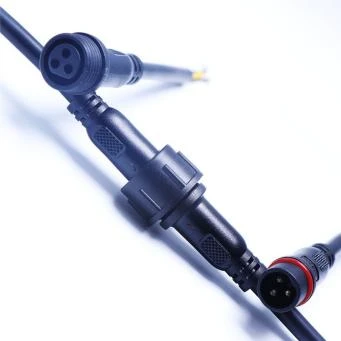
Electrical connectors are used to transmit electrical power or signals. They can be further classified into different categories based on their application, such as power connectors, signal connectors, and RF connectors.
- Power Connectors: These connectors are designed to handle high currents and are commonly used in power distribution systems, electrical appliances, and automotive applications. For example, the Y Type Branch Plug IP67 1000VDC Solar PV Connector for Connecting is specifically designed for solar photovoltaic systems, providing a reliable connection for transmitting high - voltage DC power. It is IP67 rated, which means it is dust - tight and protected against water immersion, making it suitable for outdoor use.
- Signal Connectors: Signal connectors are used to transmit low - power electrical signals, such as data signals in computers, telecommunication systems, and audio - visual equipment. They are designed to minimize signal loss and interference, ensuring accurate signal transmission.
- RF Connectors: Radio - frequency (RF) connectors are used in wireless communication systems, radar systems, and microwave applications. They are designed to handle high - frequency signals with minimal loss and impedance mismatch.
2. Mechanical Connectors
Mechanical connectors are used to join two or more mechanical components together. They can provide a fixed or a flexible connection, depending on the application. Examples of mechanical connectors include bolts, nuts, screws, and rivets. In some cases, mechanical connectors can also be used in conjunction with electrical connectors to provide a combined electrical and mechanical connection.

3. Optical Connectors
Optical connectors are used to connect optical fibers, enabling the transmission of light signals for high - speed data communication. They are widely used in telecommunications networks, data centers, and fiber - optic sensing systems. Optical connectors need to provide a precise alignment of the optical fibers to ensure low - loss light transmission.
How Connectors are Manufactured
The manufacturing process of connectors involves several steps, including material selection, machining, plating, and assembly.
- Material Selection: The choice of material depends on the application requirements. For electrical connectors, conductive materials such as copper alloys are commonly used due to their high electrical conductivity. For mechanical connectors, materials with high strength and durability, such as steel or aluminum, are preferred.
- Machining: Machining processes such as turning, milling, and stamping are used to shape the connector components. Precision machining is crucial to ensure the proper dimensions and tolerances of the connector parts.
- Plating: Plating is often applied to the connector contacts to improve their electrical performance and corrosion resistance. Common plating materials include gold, silver, and tin. Gold plating is highly conductive and resistant to corrosion, making it suitable for high - performance applications.
- Assembly: The final step is the assembly of the connector components. This involves inserting the contacts into the housing, adding any necessary insulation or sealing materials, and performing quality control checks to ensure the proper functioning of the connector.
Applications of Connectors
Connectors are used in a wide range of industries and applications.
- Automotive Industry: In the automotive industry, connectors are used in various systems, including the engine control unit, lighting systems, and infotainment systems. They need to withstand harsh environmental conditions, such as high temperatures, vibrations, and moisture.
- Aerospace Industry: Aerospace connectors are designed to meet the strict requirements of the aerospace environment, including high reliability, low weight, and resistance to extreme temperatures and pressures. They are used in avionics systems, communication systems, and flight control systems.
- Renewable Energy Industry: As the demand for renewable energy sources such as solar and wind power increases, the need for reliable connectors in these systems also grows. For example, the Dc Male And Female PV Solar Panel Magnetic Electrical Cable Connector provides a convenient and reliable way to connect solar panels. Its magnetic design allows for easy and quick connection and disconnection, which is beneficial during installation and maintenance.
- Consumer Electronics Industry: In consumer electronics, connectors are used to connect various components such as batteries, displays, and input/output devices. They need to be small, lightweight, and easy to use.
Quality and Reliability
Ensuring the quality and reliability of connectors is essential for the proper functioning of the systems they are used in. Quality control measures are implemented throughout the manufacturing process, including raw material inspection, in - process inspection, and final product testing. Connectors may also be subjected to various environmental and mechanical tests, such as temperature cycling, vibration testing, and salt - spray testing, to ensure their durability and performance under different conditions.
For example, the TUV Certified Waterproof 1000v 1500v Solar Cable Connector has obtained TUV certification, which is a recognized mark of quality and safety. This certification indicates that the connector has met the strict standards for electrical performance, waterproofing, and mechanical strength.
Conclusion
Connectors are essential components in modern technology, enabling the seamless operation of various systems. Understanding how connectors work, their types, manufacturing processes, and applications is crucial for both designers and users. As a connector supplier, we are committed to providing high - quality connectors that meet the diverse needs of our customers. Whether you are in the automotive, aerospace, renewable energy, or consumer electronics industry, we have the right connector solutions for you.
If you are interested in our connector products or have any specific requirements, please feel free to contact us for procurement and further discussions. We look forward to working with you to find the best connector solutions for your projects.
References
- "Connectors in Electronics" by John Doe, published by Electronics Press
- "Handbook of Electrical Connectors" by Jane Smith, published by Engineering Books Inc.
- Industry standards and specifications for connectors, such as IEC, UL, and TUV standards.


