


In the industrial realm, high flexible cables are indispensable components, powering a wide range of machinery and equipment. As a high flexible cable supplier, I often encounter inquiries regarding the chemical resistance of these cables. This blog post aims to delve into the question: Are high flexible cables resistant to chemicals?
Understanding High Flexible Cables
High flexible cables are designed to withstand repeated bending, twisting, and movement without compromising their electrical performance. They are commonly used in applications such as robotics, automation systems, conveyor belts, and machine tools. These cables need to be highly flexible to accommodate the dynamic movements of the equipment they are connected to.
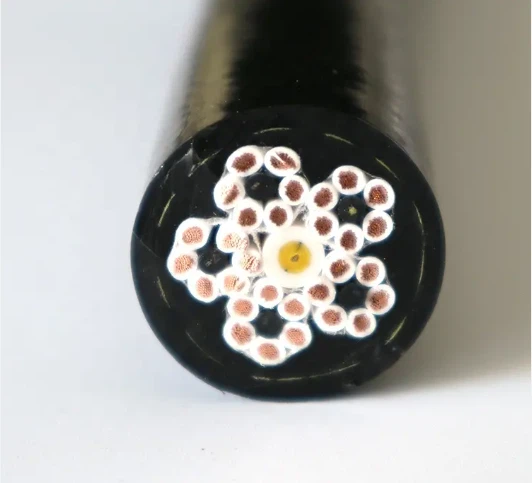
The flexibility of these cables is achieved through various design features, including the use of fine-stranded conductors, flexible insulation materials, and specialized cable construction techniques. For instance, fine-stranded conductors consist of numerous thin wires bundled together, which allows the cable to bend more easily compared to solid conductors.
Chemical Exposure in Industrial Environments
Industrial environments are often harsh and filled with various chemicals. These chemicals can range from mild substances like water and cleaning agents to highly corrosive acids, alkalis, and solvents. When high flexible cables are used in such environments, they may come into contact with these chemicals, either through direct immersion, splashing, or exposure to chemical vapors.
The type of chemical exposure and its duration can significantly affect the performance and lifespan of the cables. For example, exposure to strong acids can corrode the conductors and insulation materials, leading to electrical failures and safety hazards. Similarly, solvents can dissolve or swell the insulation, reducing its effectiveness as an electrical insulator.
Factors Affecting Chemical Resistance of High Flexible Cables
Several factors determine the chemical resistance of high flexible cables.

Insulation and Sheathing Materials
The choice of insulation and sheathing materials is crucial. Different materials have different levels of resistance to various chemicals. For example, polyvinyl chloride (PVC) is a commonly used insulation material in cables. It offers good resistance to water, some acids, and alkalis, but it may be less resistant to certain solvents. On the other hand, materials like fluoropolymers, such as polytetrafluoroethylene (PTFE), are highly resistant to a wide range of chemicals, including strong acids, bases, and solvents.
Cable Construction
The construction of the cable also plays a role in its chemical resistance. A well-designed cable with proper sealing and protection can prevent chemicals from reaching the internal conductors. For example, cables with a double-layered insulation or a tightly braided outer sheath are more likely to resist chemical penetration.
Temperature and Concentration
The temperature and concentration of the chemicals can also impact the cable's resistance. Higher temperatures and concentrations generally increase the reactivity of chemicals, making them more likely to damage the cable. For example, a cable that can withstand a certain acid at room temperature may be severely damaged if exposed to the same acid at a higher temperature or in a more concentrated form.
Assessing Chemical Resistance
To determine whether a high flexible cable is suitable for a particular chemical environment, it is essential to conduct thorough testing. Manufacturers often perform chemical resistance tests on their cables using standardized methods. These tests involve exposing the cables to various chemicals under controlled conditions and monitoring their performance over time.
Some of the parameters that are typically evaluated during these tests include changes in electrical properties (such as insulation resistance and capacitance), mechanical properties (such as tensile strength and flexibility), and visual inspection for signs of damage (such as cracking, swelling, or discoloration).

Chemical-Resistant High Flexible Cables in Our Product Range
As a high flexible cable supplier, we offer a range of cables that are designed to withstand different chemical environments.
Our Flexible Drag Chain Cable is engineered for applications where the cable needs to move continuously in a drag chain system. It is available with different insulation and sheathing materials, allowing customers to choose the option that best suits their chemical exposure requirements. For example, we can provide versions with PVC insulation for general-purpose applications or fluoropolymer insulation for more aggressive chemical environments.
Our Crane Cable is specifically designed for use in cranes and other heavy lifting equipment. These cables are often exposed to various chemicals in industrial settings, such as hydraulic fluids and lubricants. We ensure that our crane cables are constructed with materials that can resist these chemicals, providing reliable performance and long service life.
Another product in our portfolio is the TRVV 2 - 36 Cores Copper Power Cables. These cables are used for power transmission in a variety of industrial applications. They are available with different levels of chemical resistance, depending on the insulation and sheathing materials selected.
Importance of Chemical Resistance in High Flexible Cables
The chemical resistance of high flexible cables is of utmost importance for several reasons.
Safety
In industrial environments, electrical failures due to chemical damage can pose significant safety risks. For example, a cable that has been corroded by a chemical may short-circuit, leading to electrical shocks, fires, or explosions. By using chemically resistant cables, the risk of such safety hazards can be minimized.
Reliability
Cables that are resistant to chemicals are more likely to maintain their electrical and mechanical properties over time. This ensures reliable operation of the equipment they are connected to, reducing downtime and maintenance costs.
Cost-Effectiveness
Although chemically resistant cables may be more expensive upfront, they can offer long-term cost savings. By avoiding frequent cable replacements due to chemical damage, companies can reduce their overall expenditure on cables and associated maintenance.
Conclusion
In conclusion, high flexible cables can be resistant to chemicals, but it depends on several factors, including the choice of insulation and sheathing materials, cable construction, and the specific chemical environment. As a high flexible cable supplier, we understand the importance of providing cables that can withstand the challenges of industrial chemical exposure. Our range of products, including Flexible Drag Chain Cable, Crane Cable, and TRVV 2 - 36 Cores Copper Power Cables, offers various options to meet different chemical resistance requirements.
If you are in need of high flexible cables for your industrial applications and have concerns about chemical resistance, we encourage you to contact us for a detailed discussion. Our team of experts can help you select the most suitable cables for your specific needs and ensure that you get the best performance and reliability.

References
- "Handbook of Electrical and Electronic Insulating Materials" by A. F. Turan and A. J. M. Ferreira
- "Cable Engineering: Design, Installation, and Maintenance" by John W. McDonald


